Stakeholder Collaboration in Sustainable Tourism Development in Tanjung Rejo Tourism Village, Deli Serdang Regency
DOI:
https://doi.org/10.24114/jkss.v23i2.72394Abstract
This study analyzes stakeholder collaboration, challenges, and strategies for sustainable tourism development in Tanjung Rejo Tourism Village, Deli Serdang Regency. A qualitative descriptive method was applied, using observation, interviews, and documentation. The analysis employed SWOT, along with IFAS and EFAS matrices. The findings show cooperation among the village government, community groups (Pokdarwis, Karang Taruna), academics, and the Village-Owned Enterprises (BUMDes) in training, infrastructure development, and environmental conservation. However, community participation is low, private sector involvement is limited, and infrastructure remains inadequate. IFAS analysis scored strengths at 1.86 and weaknesses at 0.62 (difference 1.24), while EFAS scored opportunities at 1.72 and threats at 0.70 (difference 1.02). The village’s strategic position lies in Quadrant I (Growth Strategy), with recommendations for active development through enhancing attractions, improving infrastructure, strengthening branding, and fostering external partnerships.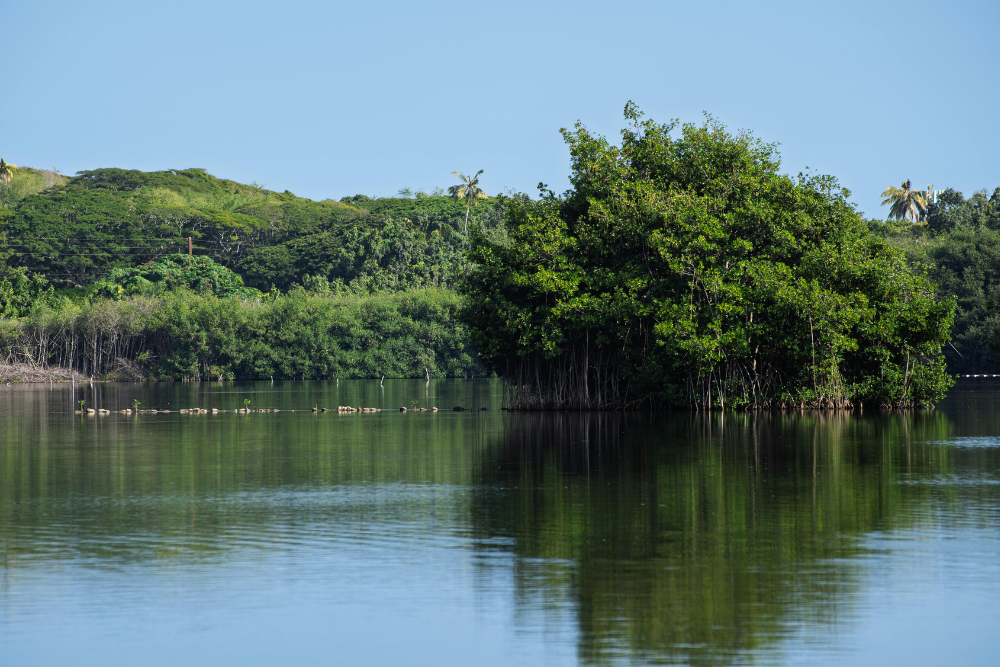
Downloads
Published
2026-01-30
How to Cite
Malau, L. A., Yanti, D., & Prayogi, B. (2026). Stakeholder Collaboration in Sustainable Tourism Development in Tanjung Rejo Tourism Village, Deli Serdang Regency. Jurnal Keluarga Sehat Sejahtera, 23(2). https://doi.org/10.24114/jkss.v23i2.72394
Issue
Section
Articles
License
Copyright (c) 2025 Lilis Armelinsa Malau, Dewi Yanti, Budi Prayogi

This work is licensed under a Creative Commons Attribution-ShareAlike 4.0 International License.