An Analysis of Learning Problems among Third-Grade Elementary School Students
DOI:
https://doi.org/10.24114/Abstract
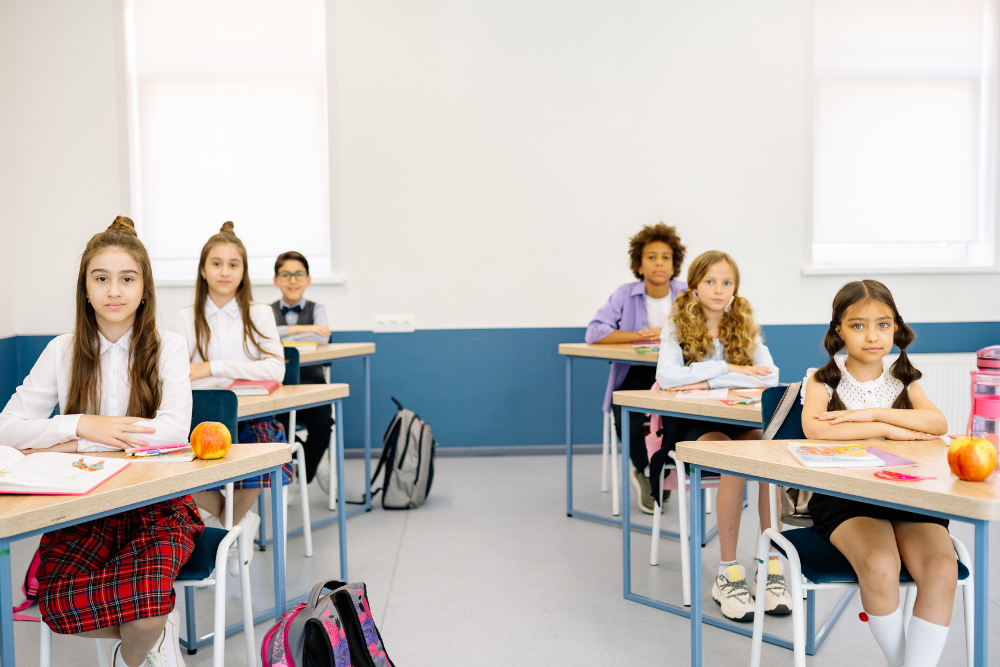
Learning in elementary school plays an important role in developing students’ knowledge, attitudes, and skills. However, students may experience various learning problems, particularly in Grade III. This study aims to analyze students’ learning problems, the factors influencing them, and teachers’ efforts to overcome these difficulties. This study employed a qualitative approach with a descriptive method. Data were collected through observation, interviews, and documentation involving third-grade teachers and students. The results showed that students experienced several learning problems, including lack of concentration, low learning motivation, difficulty understanding learning materials, limited participation, frequent conversations during lessons, and low confidence in expressing opinions or answering questions. These problems were influenced by internal factors, such as low interest in learning, emotional conditions, differences in learning abilities, and lack of readiness, as well as external factors, including limited teaching-method variation, inadequate instructional media, unconducive classroom conditions, and insufficient family support. Teachers addressed these problems through interactive methods, motivation, engaging learning environments, appropriate media, and individual attention.
References
Aini, S. N., Syafii, A., & Suryani, L. (2024). Penerapan pembelajaran berdiferensiasi dalam meningkatkan hasil belajar siswa sekolah dasar. PENDAGOGIA: Jurnal Pendidikan Dasar.
Christianty, R., & Tabelessy, W. (2024). Analisis persepsi petugas dalam penggunaan RME dengan metode UTAUT 2 di Puskesmas Tembok Dukuh Surabaya. Jurnal Pendidikan Sains dan Teknologi Terapan (JPST).
Dewi Nainggolan, R. S., Borman, S., & Handayati, N. (2024). Analisis yuridis putusan pengadilan yang menjatuhkan sanksi pidana bagi pelaku tindak pidana persetubuhan terhadap anak secara berlanjut. Consilium (UNARS).
Dewi, P. P., & Deniawati, N. P. L. (2024). Determination faktor-faktor yang mempengaruhi sustainable business pada usaha tenun endek di Kabupaten Klungkung. Differential Journal.
Evitasari, A. D. (2024). Karakteristik dan problematika siswa sekolah dasar. JPI: Jurnal Pendidikan Indonesia.
Fariska, F. D., & Pratikno, A. S. (2024). Analisis gaya belajar peserta didik berprestasi dalam pembelajaran Bahasa Indonesia di kelas V. Jurnal Inovasi, Evaluasi dan Pengembangan Pembelajaran (JIEPP), 4(2), 230–237.
Pratama, H. R., Isomudin, & Wong, M. (2025). Pengaruh motivasi dan disiplin terhadap konsentrasi belajar pada keterampilan senam Dong Yi Gong siswa SMP swasta Kota Bekasi. Media Bina Ilmiah.
Sari, N. M., Khoirunnisa, Fitria, D., Fauziah, S., Rizkia, N. P., Hoiriyah, V. N., & Wasito, M. (2024). Persepsi guru terhadap penerapan Kurikulum Merdeka dalam pembelajaran IPAS di sekolah dasar. Jurnal Inovasi, Evaluasi dan Pengembangan Pembelajaran (JIEPP), 4(2), 202–209.
Suwartiningsih. (2021). Penerapan pembelajaran berdiferensiasi untuk meningkatkan hasil belajar siswa pada mata pelajaran IPA. Jurnal Pendidikan dan Pembelajaran Indonesia (JPPI), 1(2).
Suwartiningsih. (2024). Penerapan pembelajaran berdiferensiasi untuk meningkatkan hasil belajar siswa. Jurnal Pendidikan dan Pembelajaran Indonesia (JPPI).
Tiawanti, Puspitasari, T., Setiawati, I., & Arifin, M. Z. (2025). Problematika pembelajaran komponen literasi numerik di sekolah dasar: Systematic literature review. Media Bina Ilmiah.
Zahra, S. T. F., Saadah, A. A., Masyfufah, L., & Rahmawati, D. (2024). Analisis persepsi petugas dalam penggunaan RME dengan metode UTAUT 2 di Puskesmas Tembok Dukuh Surabaya. Jurnal Pendidikan dan Pembelajaran Indonesia (JPPI).
Downloads
Published
Issue
Section
License
Copyright (c) 2026 Marsela Puspita Br Damanik, Khairunnisa Khairunnisa

This work is licensed under a Creative Commons Attribution-ShareAlike 4.0 International License.
Authors who publish with this journal agree to the following terms: (1) Authors retain copyright and grant the journal right of first publication with the work simultaneously licensed under a Creative Commons Attribution-ShareAlike 4.0 International License (CC-BY-SA) that allows others to share the work with an acknowledgment of the work's authorship and initial publication in this journal; (2) Authors are able to enter into separate, additional contractual arrangements for the non-exclusive distribution of the journal's published version of the work (e.g., post it to an institutional repository or publish it in a book), with an acknowledgment of its initial publication in this journal; (3) Authors are permitted and encouraged to post their work online (e.g., in institutional repositories or on their website), as it can lead to productive exchanges, as well greater citation of published work (See The Effect of Open Access).