PENGARUH MODEL PEMBELAJARAN MAKE A MATCH DAN TALKING STICK TERHADAP HASIL BELAJAR SISWA PADA TEMA 4 SUBTEMA 2 KELAS III SEKOLAH DASAR
DOI:
https://doi.org/10.24114/jmpsd.v2i1.63713Keywords:
Learning Outcomes, Talking Stick, Make A Match Learning ModelAbstract
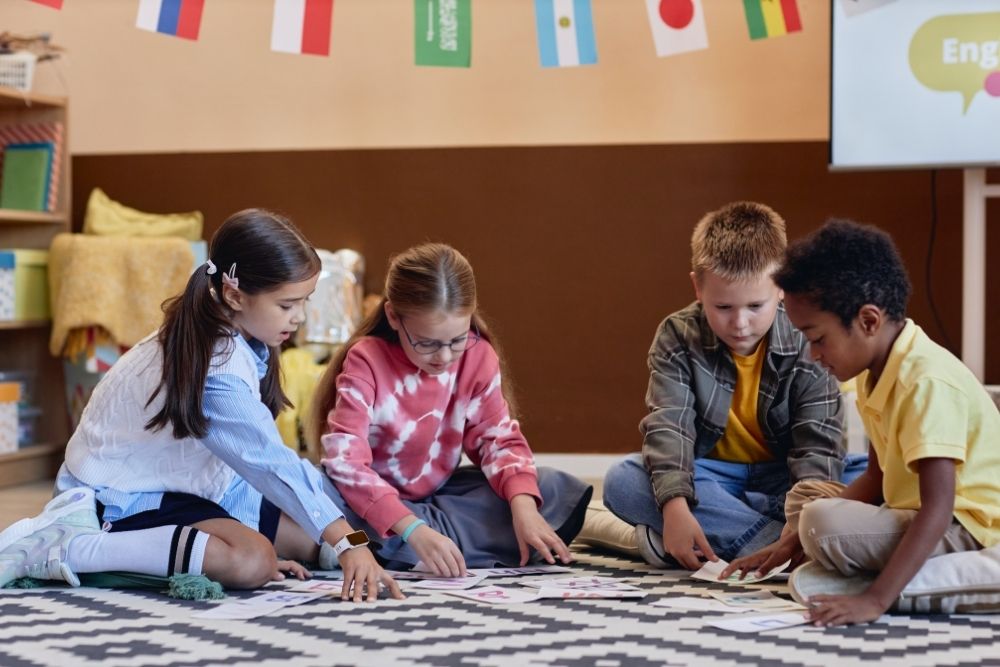
The problem is this study is the low learning outcomes of class III students at SD Negeri 101764 Bandar Klippa T.A 2023/2024. This study aims to determine the effect of student learning outcomes with the use of learning model Make A Match dan Talking Stick on Theme 4 Sub-theme 2 Obligations and Rights. Class III SD Negeri 101764 Bandar Klippa Academic Year 2023/2024. Location The research was conducted at SD Negeri 101764 Bandar Klippa, which consisted of 2 classes, namely: Class IIIA (Experimental Class 1) and Class IIIB (Experimental Class 2). Class IIIA with a total of 20 students and class IIIB with a total of 21 students. The sample collection technique with Total Sampling is the selection of a sample where the entire population is selected as a sample. This type of research is a quasi-experimental research design with Non Equivalent Multiple Group Design and quantitative data. The data collection tool used to determine student learning outcomes is an objective test with a total of 20 questions that have been tested for validation and reliability. From the data analysis with a sample of 20 students in experimental class 1 and 21 students in experimental class 2, it was obtained that the average of experimental class 1 was at Pre-Test 49,5 and Post-Test 81 while in experimental class 2 at Pre-Test 51,9 and Post-Test 78,57. At a significant level Both classes are normally distributed because is (experimental class 1) and (experimental class 2). Homogenity test in the Post-Test experimental class 1 and experimental class 2 with, namely The t-test was carried out at the significant level that is The writer concludes that there is a significant effect of Make A Match and Talking Stick learning model on theme 4 Sub-theme 2 Obligations and Rights. Class III SD Negeri 101764 Bandar Klippa Academic Year 2023/2024.
References
Indrianti, I. (2015). Penerapan Model Pembelajaran Talking Stick dalam Meningkatkan Aktivitas Belajar Pkn Peserta Didik Kelas IV MIN 11 Bandar Lampung. Bandar Lampung: UIN Raden Intan Malang
Majid, Abdul. (2014). Pembelajaran Tematik Terpadu. Bandung: Remaja. Rosdakarya
Manurung, S.H.W. (2020). Pengaruh Model Pembelajaran Kooperatif Tipe Make A Match terhadap Hasil Belajar Siswa pada Pembelajaran IPA di Kelas V MIS Islamiyah Terusan ULU Tahun Ajaran 2019/2020. Medan: Universitas Islam Negeri Sumatera Utara
Priansa, D.J. (2017). Pengembangan Strategi & Model Pembelajaran. Bandung: CV.
Pustaka Setia
Rakasiwi, S.G. (2017). Pengaruh Model Pembelajaran Talking Stick terhadap
Motivasi Belajar Bahasa Indonesia Peserta Didik Kelas IV MI Mathla™ul Anwar Bandar Lampung. Bandar Lampung : UIN Raden Intan Malang
Salim dan Haidir. (2019). Penelitian Pendidikan Metode,Pedidikan Dan Jenis. Jakarta: Kencana
Slameto. (2015). Belajar dan faktor-faktor yang mempengaruhinya. Cetakan Keenam. Jakarta: PT Rineka Cipta
Sugiyono. (2017). Metode Penelitian Kuantitatif, Kualitatif, dan R&D. Bandung: CV. Alfabeta.
Suharsimi. (2013). Prosedur Penelitian Suatu Pendekatan Praktik. Edisi Revisi. Jakarta: PT. Rineka Cipta
Sulistyarini, N. (2016). Pengaruh Model Make A Match Pada Pembelajaran IPA Terhadap Aktivitas Dan Hasil Belajar Siswa Kelas IV SDN Gugus III Jumapolo Kabupaten Karanganyar. Semarang: Universitas Negeri Semarang
Susanto, Ahmad. (2015). Teori Belajar dan Pembelajaran di Sekolah Dasar. Jakarta: Prenada Media Grup
Tarmizi. (2015). Model pembelajaran Make A Macth. Bandung: Yrama Widya
Downloads
Published
Issue
Section
License
Copyright (c) 2024 Sri Pebriani Saragih, Wildansyah Lubis, Nurmayani Nurmayani, Erlinda Simanungkalit, Try Wahyu Purnomo

This work is licensed under a Creative Commons Attribution-ShareAlike 4.0 International License.
Authors who publish with this journal agree to the following terms:
Authors retain copyright and grant the journal right of first publication with the work simultaneously licensed under a Creative Commons Attribution 4.0 International that allows others to share the work with an acknowledgement of the work's authorship and initial publication in this journal.
Authors are able to enter into separate, additional contractual arrangements for the non-exclusive distribution of the journal's published version of the work (e.g., post it to an institutional repository or publish it in a book), with an acknowledgement of its initial publication in this journal.
Authors are permitted and encouraged to post their work online (e.g., in institutional repositories or on their website) prior to and during the submission process, as it can lead to productive exchanges, as well as earlier and greater citation of published work.