IMPROVING MATHEMATICAL THINKING THROUGH THE IMPLEMENTATION OF THE PROBLEM-BASED LEARNING MODEL IN ELEMENTARY SCHOOL STUDENTS
DOI:
https://doi.org/10.24114/jmpsd.v2i1.60128Keywords:
Problem-Based Learning (PBL), Problem-Solving Skills, MathematicsAbstract
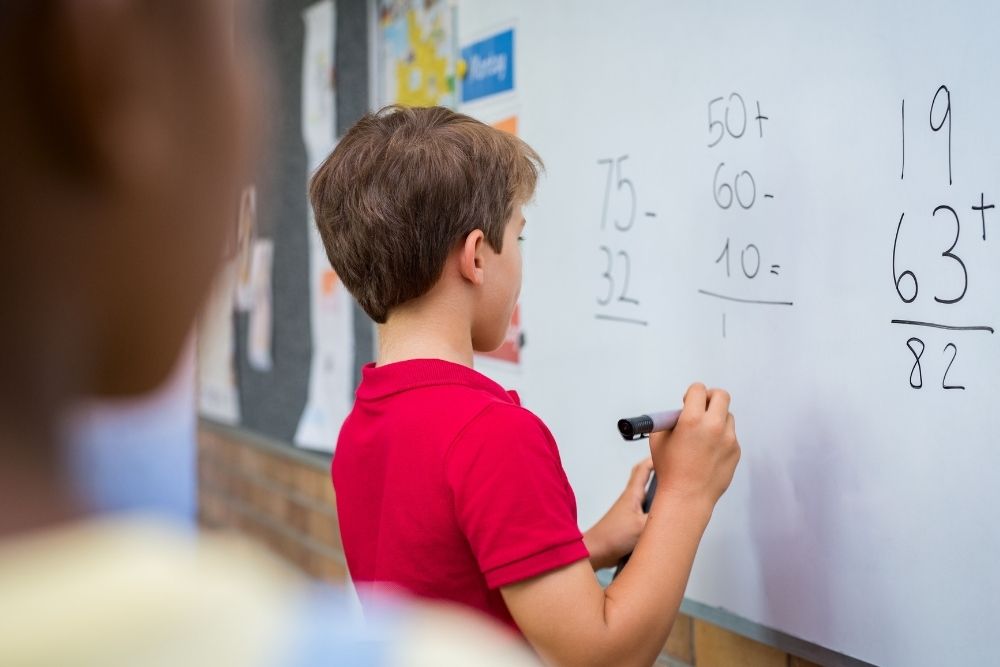
The study's overarching goal is to determine, based on students' initial mathematics abilities, whether problem-based learning or more traditional methods of teaching mathematics improves students' critical and creative thinking skills in the subject. The 2013 curriculum includes problem-solving as an ability, therefore it's clear that this is an area that needs a lot of work. Among the many approaches to learning that adhere to Polya's stages is the Problem Based Learning (PBL) paradigm. Using a descriptive approach, this study included four sessions of instruction, one assessment of learning outcomes, and a study of remediation and enrichment. Learning outcomes examinations, expert validation of lesson plans and student activities, and observation of students' problem-solving abilities were all part of the data gathering process. The findings indicated that, according to the criteria, problem-based learning (PBL) is an effective model for teaching mathematics, and that students' abilities to solve problems using Polya's steps with PBL are also good.
References
Asriningtyas , AN, Kristin, F., & Anugraheni , I. 2018. Penerapan Model Pembelajaran Berbasis Masalah untuk Meningkatkan Kemampuan Berpikir Kritis dan Hasil Belajar Matematika Siswa Kelas 4 Sekolah Dasar. Jurnal Pendidikan Matematika, 5(1), 23-32.
Ayubi . Ibnu Imam Al, dkk. 2024. Penerapan Model Problem Based Learning dalam Pembelajaran Matematika . Tadruusun, Jurnal Pendidikan Dasar Jilid (3). Edisi (1).
Baswedan , AR (2014). Darurat Pendidikan di Indonesia. Kementerian Pendidikan dan Kebudayaan Republik Indonesia. Jakarta
Herawan Pambudiarso . dkk. Penerapan Model Pembelajaran Pbl Untuk Meningkatkan Kemampuan Berpikir Kritis Pada Mata Pelajaran Matematika Siswa Kelas 5 Sekolah Dasar . Program Studi Pendidikan Guru Sekolah Dasar Fakultas Keguruan dan Ilmu Pendidikan Universitas Kristen Satya Wacana Salatiga .
Maria Ulfah , dkk. 2022. Implementasi Model Pembelajaran Problem Based Learning ( Pbl ) Dalam Pembelajaran Matematika Bagi Siswa Islam Sabilal Muhtadin Banjarmasin . Jurnal Pendidikan Matematika Undiksha Volume 13 No 2 November 2022 e-ISNN:2599-2600; p-ISNN: 2613-9677
Nuraini, F., & Kristin, F. 2017. Penggunaan Model Problem Based Learning ( Pbl ) Untuk Meningkatkan Hasil Belajar IPA Siswa Kelas 5 Sekolah Dasar. E-Journal Mitra Pendidikan, 1(4), 369-379.
Samo, DD (2017). Kemampuan Pemecahan Masalah Matematis Siswa Tahun Pertama dalam Menyelesaikan Masalah Geometri dalam Konteks Budaya. Jurnal Penelitian Pendidikan Matematika, 4(2), 141-152.
Soegandini , S., & Anugraheni , I. (2017). Perbedaan Pembelajaran Menggunakan Teori Dienes Terhadap Hasil Belajar Matematika Siswa Kelas IV Semester 1 Tahun Pelajaran 2016/2017. REFLEKSI PENDIDIKAN, 7(2) 127-131
Subarinah , S. (2013). Profil Berpikir Kreatif Siswa dalam Menyelesaikan Masalah Tipe Investigasi Matematis Dilihat dari Perbedaan Gender. Jurnal, Mataram Universitas, ISBN: 978-979-16353-9-4.
Sumartini , TS (2016) Peningkatan Kemampuan Pemecahan Masalah Matematis Siswa Melalui Pembelajaran Berbasis Masalah . Mosharafa : Jurnal Pendidikan Matematika, 5(2), 148-158. DOI: https://doi.org/10.319 80/mosharafa.v5i2 ,270
Wawan Kiswanto . 2017. Penerapan Model Problem Based Learning untuk Meningkatkan Kemampuan Berpikir Kritis dan Berpikir Kreatif Siswa SMA pada Mata Pelajaran Matematika . Jurnal PJME Vol. 7 No. 2, November 2017, hal. 137-15 .
Yuwono , T., Supanggih , M., & Ferdiani , R (2018). Analisis Kemampuan Pemecahan Masalah Matematis dalam Menyelesaikan Masalah Cerita Berbasis Prosedur Polya. Jurnal Matematika Tadris, 1(2), 137-144. https://doi.org/10.21274/jtm.201 8.1.2.137-144
Zainab. (2019). Penerapan Model Direct Teaching untuk Meningkatkan Keterampilan Pemecahan Masalah dan Hasil Belajar Siswa pada Materi Bisnis Sederhana dan Pesawat Terbang Kelas VIII-F SMP Negeri 21 Banjarmasin .
Downloads
Published
Issue
Section
License
Copyright (c) 2024 Rosida Minta Ito Pasaribu, Edy Surya, Muhammad Amin Fauzi

This work is licensed under a Creative Commons Attribution-ShareAlike 4.0 International License.
Authors who publish with this journal agree to the following terms: (1) Authors retain copyright and grant the journal right of first publication with the work simultaneously licensed under a Creative Commons Attribution-ShareAlike 4.0 International License (CC-BY-SA) that allows others to share the work with an acknowledgment of the work's authorship and initial publication in this journal; (2) Authors are able to enter into separate, additional contractual arrangements for the non-exclusive distribution of the journal's published version of the work (e.g., post it to an institutional repository or publish it in a book), with an acknowledgment of its initial publication in this journal; (3) Authors are permitted and encouraged to post their work online (e.g., in institutional repositories or on their website), as it can lead to productive exchanges, as well greater citation of published work (See The Effect of Open Access).