THE IMPLEMENTATION OF FORMATIVE EVALUATION IN SCIENCE LEARNING TO IMPROVE ELEMENTARY SCHOOL STUDENTS’ LEARNING OUTCOMES
DOI:
https://doi.org/10.24114/jmpsd.v2i3.72176Keywords:
formative evaluation, science learning, learning outcomesAbstract
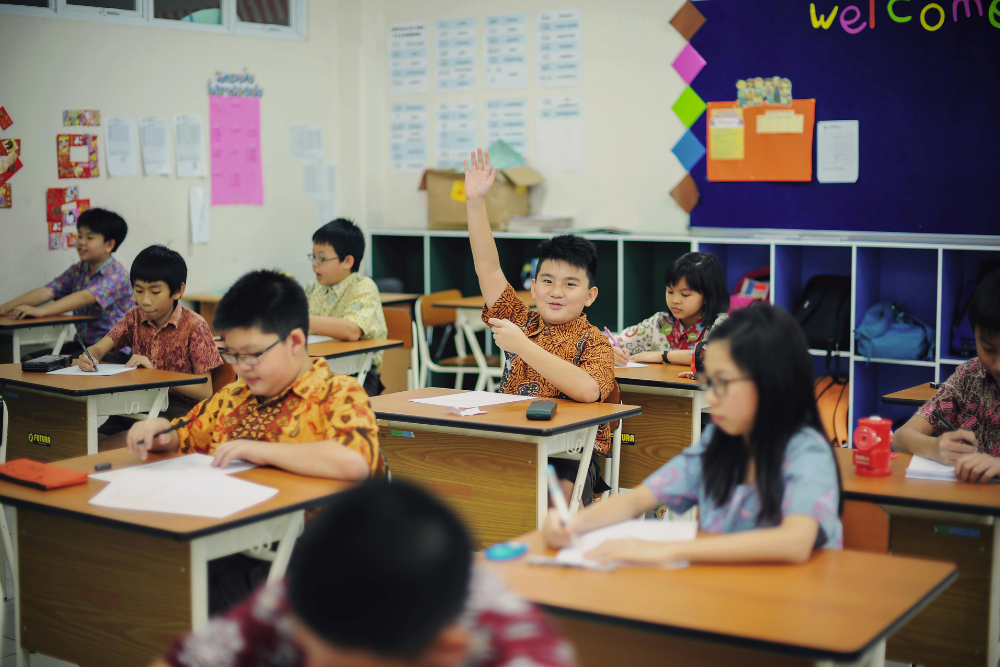
This study aims to analyze the implementation of formative evaluation in Natural Science (IPA) learning at SDN 060858 Medan and its impact on improving students’ learning outcomes. The research employed a qualitative descriptive approach to gain an in-depth understanding of how formative evaluation is applied during the learning process. Data were collected through classroom observations and literature studies. The results indicate that formative evaluation was implemented systematically through three main stages: planning, implementation, and follow-up. During the learning process, teachers applied various formative evaluation techniques such as oral questioning, simple experiments, short quizzes, written reflections, and group discussions. These activities enabled teachers to monitor students’ understanding continuously and provide immediate feedback. The findings show that formative evaluation contributes positively to students’ conceptual understanding, learning motivation, and active participation in science learning. Students became more confident in expressing their ideas and showed better comprehension of scientific concepts. In addition, formative evaluation allowed teachers to adjust instructional strategies based on students’ learning needs, making the learning process more adaptive and meaningful. Therefore, formative evaluation can be considered an effective evaluation strategy to improve the quality of science learning and students’ learning outcomes at the elementary school level.
References
Adella, I., Sari, M., & Yuniar, R. (2020). Analisis Evaluasi Formatif dalam Pembelajaran IPA di Kelas 4 SDN 07 Pagi Tegal Alur. Jurnal Pendidikan Dasar, 8(2), 101–110.
Adella, dkk. (2020). ANALISIS EVALUASI FORMATIF DALAM PEMBELAJARAN IPA DI KELAS 4 SDN 07 PAGI TEGAL ALUR. Fondatia : Jurnal Pendidikan Dasar. 4(01).
Arikunto, S. (2010). Dasar-dasar Evaluasi Pendidikan. Jakarta: Bumi Aksara
Asworo, dkk. (2024). PENTINGNYA PENILAIAN FORMATIF TERHADAP PERKEMBANGAN SISWA SEKOLAH DASAR. Jurnal Pengembangan dan Penelitian Pendidikan. 06(03).
Batubara, DNB., Palupi, L., Siahaan, SA., Mailani, E., dan Manjani, N. (2024). Analisis Kesulitan Belajar Matematika pada Siswa SD. INNOVATIVE: Journal Of Social Science Research. 4(03), (17129-17135). https://j-innovative.org/index.php/Innovative
Dakhi, A. S. (2020). Peningkatan hasil belajar siswa. Jurnal Education and development, 8(2), 468-468.
Dewi Putu, dkk.(2021). Teori dan Aplikasi Pembelajaran IPA SD/MI. Aceh: Yayasan Penerbit Muhammad Zaini.
Farida, NK. (2016). Pembelajaran IPA SD. Malang: Ediide Infografika
Fitriani, A., dkk. (2022). PENGERTIAN PENDIDIKAN, ILMU PENDIDIKAN DAN UNSUR-UNSUR PENDIDIKAN.Al Urwatul Wutsqa: Kajian Pendidikan Islam. 2(1).
Gumilar, E. (2023). PROBLEMATIKA PEMBELAJARAN IPA PADA KURIKULUM MERDEKA DI SEKOLAH DASAR / MADRASAH IBTIDAIYAH. Jurnal Ilmiah Pedagogy. 2(1).
Juliana, dkk. (2023). Analisis Karakteristik Hakikat Pembelajaran IPA di Sekolah Dasar. JPPD: Jurnal Pedagogik Pendidikan Dasar. 10(1), (37-44).
Lillah, S. ( 2024). PENGEMBANGAN KURIKULUM DALAM MENINGKATKAN MUTU PENDIDIKAN DI PONDOK PESANTREN IMAM AN-NAWAWI RANTAUPRAPAT SUMATERA UTARA. UNISAN JURNAL: JURNAL PENGEMBANGAN DAN PENDIDIKAN. 3(8), (563-572).
Magdalena, I., dkk. (2020). ANALISIS INSTRUMEN EVALUASI FORMATIF PADA MATA PELAJARAN IPA KELAS IV SDN SALEMBARAN III. Bintang : Jurnal Pendidikan dan Sains. 2 (1), (68-82).
Miles, M. B., & Huberman, A. M. (1994). Qualitative Data Analysis: An Expanded Sourcebook (2nd ed.). SAGE Publications.
Moleong, L. J. (2017). Metodologi Penelitian Kualitatif (Edisi Revisi). Bandung: PT Remaja Rosdakarya.
Nadya, A., dkk. (2023). Hakikat Evaluasi (Pengertian Pengukuran, Penilaian, Evaluasi; Fungsi & Tujuan Penilaian, Ciri-Ciri Penilaian Pendidikan). JMPAI: Jurnal Manajemen dan Pendidikan Agama Islam. 2(2),(Hal 228-233).
Nurhasanah, N., dkk. (2023). Evaluasi Pembelajaran Dikelas. Jurnal Motivasi Pendidikan dan Bahasa. 1 (2).
Purwanto, P., & Setiyatna, H. (2009). Bentuk Tes Formatif Hasil Belajar dan Kemampuan Berpikir.
Putri, A. M., & Zakir, M. (2023). Evaluasi Formatif sebagai Strategi Efektif dalam Pembelajaran IPA di Sekolah Dasar. Jurnal Evaluasi Pendidikan, 5(1), 45–56.
Putri, S. & Zakir, F. (2023). Mengukur Keberhasilan Evaluasi Pembelajaran: Telaah Evaluasi Formatif Dan Sumatif Dalam Kurikulum Merdeka. Dewantara : Jurnal Pendidikan Sosial Humaniora. 2(4).
Riska Awaliyah Wahyuni. (2020). MENINGKATKAN HASIL BELAJAR IPA DENGAN MENGGUNAKAN MODEL PEMBELAJARAN PREDICT, DISCUSS, EXPLAIN,OBSERVE, DISCUSS, EXPLAIN (PDEODE). Seminar Nasional Pendidikan, FKIP UNMA 2020.
Siregar, N., Saputra, R. H. & Fadila, R. (2023). Analisis Kesulitan Belajar Siswa Pada Mata Pelajaran IPA di Kelas III SD Negeri 0118 Sibuhuan Julu. Student Research Journal. 1(5), (hal 319-326).
Sunaryati, T. (2024). ANALISIS PERAN EVALUASI FORMATIF DALAM MENDUKUNG KEBERHASILAN PEMBELAJARAN SISWA SEKOLAH DASAR. Pendas : Jurnal Ilmiah Pendidikan Dasar. 9 (3).
Sunaryati, D., Sulastri, W., & Hartati, R. (2024). Peran Evaluasi Formatif dalam Meningkatkan Partisipasi dan Hasil Belajar Siswa. Jurnal Inovasi Pendidikan Dasar, 10(1), 22–34.
Uliza, EF. (2025). Persiapan Sekolah dalam MengimplementasikanHakikat Evaluasi Pembelajaran di di SD/MI. Jurnal Pendidikan Tambusa. 9 (01).
Downloads
Published
Issue
Section
License
Copyright (c) 2025 Auni Afifah Novianti, Artha Uli Sitanggang, Clodia Kristy, Kristin Natalia Warasi, Rima Melati Saputri, Nurhudayah Manjani

This work is licensed under a Creative Commons Attribution-ShareAlike 4.0 International License.
Authors who publish with this journal agree to the following terms:
Authors retain copyright and grant the journal right of first publication with the work simultaneously licensed under a Creative Commons Attribution 4.0 International that allows others to share the work with an acknowledgement of the work's authorship and initial publication in this journal.
Authors are able to enter into separate, additional contractual arrangements for the non-exclusive distribution of the journal's published version of the work (e.g., post it to an institutional repository or publish it in a book), with an acknowledgement of its initial publication in this journal.
Authors are permitted and encouraged to post their work online (e.g., in institutional repositories or on their website) prior to and during the submission process, as it can lead to productive exchanges, as well as earlier and greater citation of published work.